An expert committee of the National Osteoporosis Foundation (NOF) with a multi-specialty council of medical experts in the field of bone health have updated recommendations.
Let’s focus on prevention, which emphasizes many of the CAM topics that dominate this website.
Calcium supplements are widely used to help prevent osteoporosis but have been associated with a possible increase in the risk of adverse cardiovascular outcomes.
Research suggests that patients with schizophrenia treated with antipsychotics have low vitamin D blood levels and may have a higher risk of hip fractures in their later years than the general population.
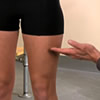
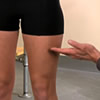
Quadriceps activation deficits (delayed muscle activation, see photo) are common in people with tibiofemoral (knee) osteoarthritis.
Researchers at the University of Toledo, in Ohio, studied transcutaneous electrical nerve stimulation (TENS) set to a sensory level and therapeutic exercise to increase quadriceps activation in people with tibiofemoral osteoarthritis. Continue reading TENS for people with osteoporosis→
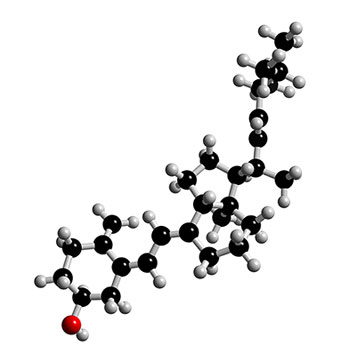
The results from many studies in the past 2 years make it clear that current vitamin D guidelines aren’t sufficient, and we can’t rely on the sun to meet our daily requirements.
 For these healing disciplines where the interaction between therapist and patient are so closely entwined and it’s difficult to show consistent benefit over sham or placebo, I propose we stop testing these treatments.
In adults, vitamin D deficiency is associated with osteopenia, osteoporosis, muscle weakness, fractures, cancer, autoimmune diseases, infectious diseases and cardiovascular diseases. And adequate doses might reduce the risk of certain cancers and type 1 diabetes.
There are some small studies in patients, and now there’s a review that connects the clinical response and mechanisms of action of two species of cat’s claw (Uncaria tomentosa and Uncaria guianensis).
 An expert committee of the National Osteoporosis Foundation (NOF) with a multi-specialty council of medical experts in the field of bone health have updated recommendations.





 Type “naprapathy” into Google and — you guessed it, — you’re asked, Did you mean: Naturopathy?
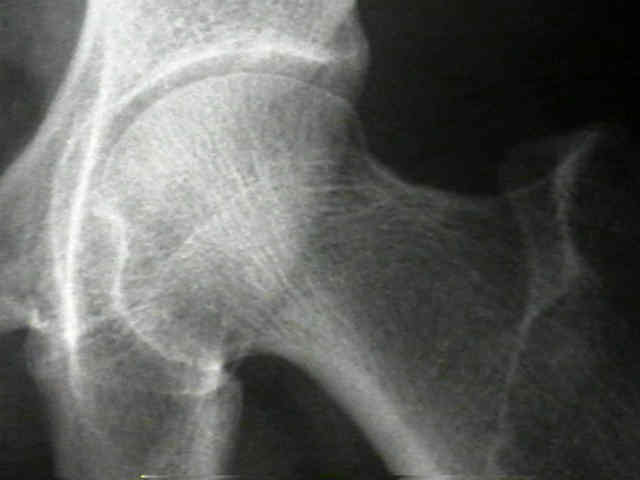 This Medscape

  For these healing disciplines where the interaction between therapist and patient are so closely entwined and it’s difficult to show consistent benefit over sham or placebo, I propose we stop testing these treatments.
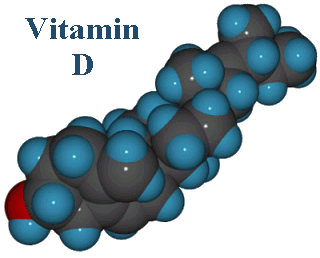 In adults, vitamin D deficiency is associated with osteopenia, osteoporosis, muscle weakness, fractures, cancer, autoimmune diseases,
 The Harvard Women’s Health Watch has
 There are some small studies in patients, and now there’s a review that connects the clinical response and mechanisms of action of two species of cat’s claw (Uncaria tomentosa and Uncaria guianensis).