An earlier entry noted that updated guidelines for managing nausea and vomiting following surgery include acupuncture.
Five minutes of manual or electrical stimulation at the P6 acupuncture point (as shown in the illustration) is the primary point of treatment. Some supportive studies are listed here.
As New York City debates the pros and cons of mandating an end to trans fats in its restaurants, Kentucky Fried Chicken announced it will stop frying chicken in trans fats.
A surgical procedure called a colonectomy removes part or all of the large intestine. A common side effect of this surgery is known as postoperative ileus (POI) in which bowel movement is impaired following surgery and can take 48 to 72 hours to recover.
Common symptoms experienced by patients with POI include bloating, pain, nausea and vomiting, an inability to pass stools, and an inability to eat solid food. There is also a greater risk for other complications that can prolong the time they must stay in the hospital. This, of course, results in higher health care costs.
A recently published study of 66 patients was designed to determine the usefulness of gum chewing to shortening the time to recovery from POI.
Motion sickness (or seasickness) is a common response to real and perceived movement through the environment.
On a recent cruise with my wife, the ocean got choppy one night, so she walked me to the shipboard sundry shop to buy seasickness medicine that she was convinced we would need. I disagreed, but went anyway to supervise the purchase. The choices were Dramamine (diphenhydramine) to treat existing nausea, vomiting, and dizziness from motion sickness, or ginger to prevent it.
We went with the ginger and voila, I didn’t get sick. Other anecdotal reports support our experience but clinical studies are less definitive.
Adriane Fugh-Berman, associate professor in the complementary medicine program at Georgetown University has chronicled the lack of good treatment alternatives for hot flashes.
In February, the Danish Ministry for Family and Consumer Affairs withdrew food supplements containing saw palmetto because of concerns about its effect on the hormone system coupled with a lack of data about its safety in long-term use.
Dr. Kirsten Pilegaard, PhD, senior advisor for the Danish Institute for Food and Veterinary Research stated, “On the basis of the information available, it is not possible to establish a dose that does not give rise to concern.”
This informed perspective from Dr. Mary Davenport, an obstetrician and gynecologist, and a Fellow of the American College of Obstetrics and Gynecology is worth reading and considering.
Now that new UVA blockers are being marketed, it’s not surprising to see more research in this area. The UVA sunscreen issue has been discussed here and here.
An article in the Archives of Internal Medicine reports that trancendental meditation (also known as TM) may alter the physiological response to stress and improve risk factors in patients with coronary heart disease. In this randomized, placebo-controlled clinical trial, 16 weeks of TM or active control treatment (health education) resulted in improved blood pressure and insulin resistance (two components of the metabolic syndrome) among patients using TM.
When The Washington Post published an article (discussed here) reporting the negative results from a study of acupuncture and other CAM treatments for hot flashes, it elicited an international response in defense of CAM.
For the first time prebiotics lowered the risk atopic dermatitis in a high-risk population of infants.
More than 200 infants at risk for atopy (an allergy involving an inherited immunoglobulin of the IgE type) took part in the study. Those on bottle-feeding were randomly assigned to a prebiotic formula (a mixture of galacto- and long chain fructo-oligosaccharides) or maltodextrine as placebo.
RA-11 (Artrex, Mendar) is a standardized multiplant Ayurvedic drug that contains Withania somnifera, Boswellia serrata, Zingiber officinale, and Curcuma longa. In a 32-week study of 90 people with osteoarthritis of the knee, it was more effective than placebo for pain relief.
Reported earlier on the site was a study from the Centers for Disease Control and Prevention, which found that 36% of Americans use CAM ? 62% if prayer is included.
Now, here is an estimate of the use of CAM in one Central American country.
The Washington Postreports that the Food and Drug Administration is expected to rule soon that milk from cloned animals and meat from their offspring are safe to eat.
Two years ago Denmark made it illegal for any food to have more than 2% trans fatty acids. The result? Today hardly anyone notices the difference, reports the Associated Press.
“The french fries are still crispy. The pastries are still scrumptious. And the fried chicken is still tasty,” according to this report. And the pastries “taste just as good as they always did,” said the 59-year-old sales assistant.
The good news is that all 36 products tested had the claimed ingredients. But the doses varied from 15 mg to 400 mg!
This isn’t surprising and has been discussed here before. Perspective on the value of CoQ10 to treat high blood pressure, angina, and Alzheimer’s disease is provided in this earlier post.
Here is an update to an earlier post that chronicled a problem with genetically engineered cotton in China where it was necessary to use pesticides to control new pests.
Skeptico reviews the problem, the possible reasons for it, and the fix being use in the U.S.
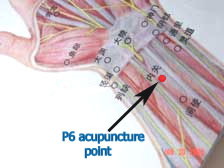 An earlier entry noted that updated guidelines for managing nausea and vomiting following surgery include acupuncture.
 I noticed there are lots of
 A surgical procedure called a colonectomy removes part or all of the large intestine. A common side effect of this surgery is known as postoperative ileus (POI) in which bowel movement is impaired following surgery and can take 48 to 72 hours to recover.
 Adriane Fugh-Berman, associate professor in the complementary medicine program at Georgetown University has
 In February, the Danish Ministry for Family and Consumer Affairs
 Lot?s of talk about stem cell research from
 Now that new UVA blockers are being marketed, it’s not surprising to see more research in this area. The UVA sunscreen issue has been discussed
 An
 The literature reviews keep piling up. Here are the take home messages from 4 literature reviews of omega-3 fatty acids this year. One positive, three not positive or too soon to tell.
 For the first time prebiotics lowered the risk atopic dermatitis in a high-risk population of infants.
 RA-11 (Artrex, Mendar) is a standardized multiplant Ayurvedic drug that contains Withania somnifera, Boswellia serrata, Zingiber officinale, and Curcuma longa. In a 32-week study of 90 people with osteoarthritis of the knee, it was more
 The Washington Post
 The good news is that all 36 products
 Here is an update to an earlier